4th SG ANZICS Intensive Care Forum 2017
IABP for 4 days tied to increased vascular complications
2017-05-10
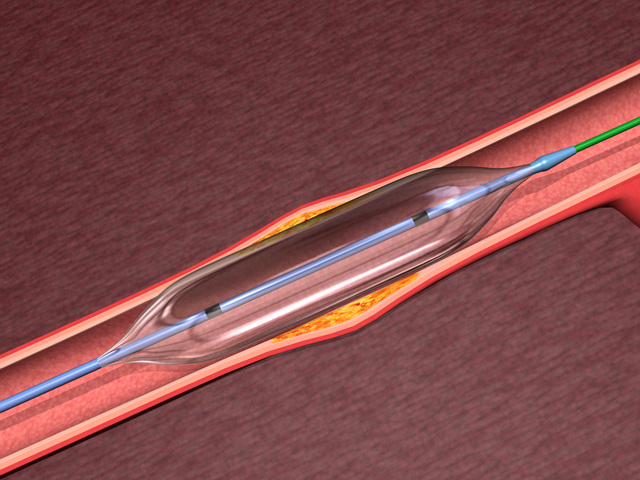
Patients who had intra-aortic balloon pump (IABP) for 4 days or had IABP insertion during coronary angiography and/or percutaneous coronary intervention (PCI) had an increased risk of developing vascular complications, suggests a study presented at the 4th SG-ANZICS* Intensive Care Forum (SG-ANZICS 2017) held recently in Singapore.
“IABP is one of the most readily available mechanical support devices. Despite its benefits, complications arise from IABP [such as] leg ischaemia, thrombocytopenia, and bleeding,” according to Jeremiah Butch Gemarino and Ma Consolacion Dolor-Torres from the Philippine Heart Center, Quezon City, Philippines.
To understand the factors associated with vascular complications, the researchers analysed 132 patients who underwent IABP insertion at the Philippine Heart Center between 2008-2013. Of these, 92 patients developed vascular complications (69.70 percent). [SG-ANZICS, poster 54]
The most common vascular complications documented among patients who had IABP insertion were thrombocytopenia (59.09 percent), followed by leg ischaemia (16.67 percent), thrombocytopenia with bleeding diathesis (14.39 percent), and groin haematoma (3.79 percent).
Patients who developed vascular complications had IABP for a longer duration compared with patients without complications (mean, 3.94 vs 2.42 days, odds ratio [OR], 1.39; p=0.007).
“Patients were 2.5 times more likely to develop vascular complications (p=0.024) when IABP was inserted during coronary angiography and/or PCI,” observed Gemarino and Dolor-Torres.
In addition, the presence of comorbidities such as diabetes (on insulin), myocardial infarction, stroke, valvular heart disease, critical coronary artery disease, refractory chest pain, pulmonary disease, and increased left ventricular end diastolic pressure were associated with an increased risk of vascular complications, although the associations were not statistically significant.
According to the researchers, the findings that a longer duration on IABP was associated with increased complication risk were consistent with previous studies, which showed a 1.5 times higher complication rate among patients who were on IABP for more than 60 hours, and that an average IABP counterpulsation duration of 49.5 hours was associated with limb ischaemia. [Am J Surg 1987;154:99-103; Heart Lung 1989;18:542-552]
However, they noted that the association between vascular complications and coronary angiography and/or PCI was in contrast to previous belief that “procedures other than CABG and PCI were more associated with adverse outcomes.” [J Thorac Cardiovasc Surg 1997;113:758-764]
| 이전글 | Diaphragm thickening fraction predicts weaning from mechanical ventilation |
|---|---|
| 다음글 | ICU readmission not necessarily associated with poor care, negative outcomes |


