ESMO Asia 2017 Congress
Regorafenib a promising treatment for metastatic colorectal cancer
2018-01-05
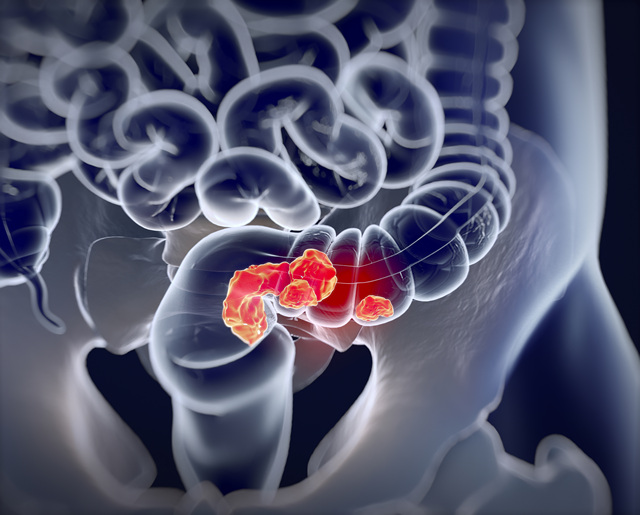
Regorafenib appears to have promising efficacy as a third- or fourth-line treatment for patients with metastatic colorectal cancer (mCRC), according to a new study from Macau presented at the recently concluded European Society for Medical Oncology Asia 2017 Congress (ESMO Asia 2017).
The research team performed a retrospective review of the medical records of 36 mCRC patients (median age 58 years; 53 percent male) who received regorafenib monotherapy. All participants had prior palliative chemotherapy treatment regimens containing oxaliplatin, irinotecan and fluorouracil with biologics such as bevacizumab or cetuximab.
Majority of the patients were administered regorafenib at 160 mg/day (41 percent), while the others received a daily dose of 120 mg (28 percent) or 80 mg (31 percent).
Of the 36 participants, 45 percent had one to two prior lines of mCRC treatment, 34 percent had three and 21 percent had at least four; 90 percent received prior targeted therapies. Colon cancer was reported in 30, while the remaining 6 had rectal cancer. [ESMO Asia, abstract 152P]
Over a median treatment duration of 4.5 months, 17 patients achieved disease control corresponding to a rate of 47.2 percent.
Compared with those who did not receive the drug, those treated with third- or fourth-line regorafenib had longer median overall survival after the failure of standardized treatment (3.8 vs 8.0 months).
Overall survival from the diagnosis of unresectable mCRC following curative resection was likewise longer for those who were administered regorafenib than for those who were not (18.9 vs 34.9 months).
In the study sample, the most common adverse event was any grade of hand-foot-skin reaction, observed in 69.4 percent of the participants; grade 3 of this adverse event was observed in 30.5 percent. This was followed by fatigue (41.6 percent), liver function abnormalities (38.9 percent), mucositis (36.1 percent), rashes (36.1 percent), diarrhoea (33.3 percent) and hyperbilirubinemia (27.7 percent).
Other adverse events included bleeding (5.6 percent), hypertension (16.6 percent), nausea (16.9 percent) and anorexia (22.2 percent).
There were four grade 4 adverse events: elevated aspartate transaminase (2.7 percent) and alanine transaminase (2.7 percent) levels, hypertension (2.7 percent), and hyperbilirubinemia (5.5 percent). No treatment-related deaths were reported.
| 이전글 | Prenatal exposure to chemotherapy may not be detrimental to cognitive development in children |
|---|---|
| 다음글 | Strength training yields muscle strength gains in cancer patients |


