2017 San Antonio Breast Cancer Symposium (SABCS)
Acupuncture effectively reduces joint pain among breast cancer patients on aromatase inhibitors
2018-01-29
A recent study presented at the 2017 San Antonio Breast Cancer Symposium (SABCS) showed that acupuncture is effective in reducing aromatase inhibitor–induced joint symptoms among breast cancer patients.
The multicentre, randomized controlled trial, which included 226 postmenopausal women with early-stage breast cancer randomized to receive either true acupuncture (n=110), sham acupuncture (n=59) or no treatment (n=57), revealed significant reduction in the “worst pain” score at 6 weeks. [SABCS 2017, abstract GS4-04]
The 6-week mean Brief Pain Inventory (BPI-WP) score was 0.92 points lower in the true acupuncture group vs the sham acupuncture group, and 0.96 points lower vs the no treatment group (both p=0.01)
More patients experienced improvement in BPI-WP scores in the true acupuncture group vs the sham acupuncture and no treatment groups (58 vs 33 and 31 percent, respectively).
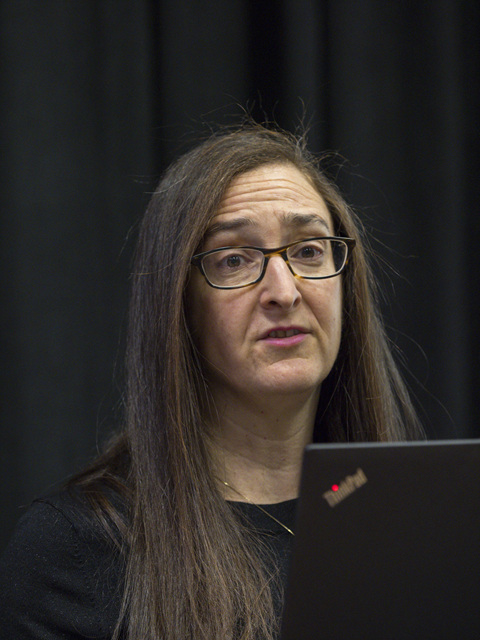
"We have shown consistently, with multiple measures assessing pain and stiffness, that true acupuncture generated better outcomes and could possibly increase aromatase inhibitor adherence and subsequent breast cancer outcomes,” said investigator Dr Dawn Hershman of the Herbert Irving Comprehensive Cancer Center, Columbia University, New York City, US.
Patients who received true acupuncture had improved symptoms compared with sham acupuncture at week 6 according to all other BPI pain measures (average pain, p=0.04; pain interference, p=0.02; pain severity, p=0.05; worst stiffness, p=0.02).
Patients randomized to receive true acupuncture also experienced generally improved symptoms of the hips, knees and hands compared with the other two groups at week 6 and at week 12, as measured by the Western Ontario and McMaster Universities Osteoarthritis Index (WOMAC) and the Modified Score for the Assessment of Chronic Rheumatoid Affections of the Hands (M-SACRAH) (p<0.05).
“Improvements in worst pain scores were maintained to week 24, which indicates the durability of the effect,” Hershman added.
With regard to adverse events, more patients in the true acupuncture group experienced minor bruising vs the sham acupuncture group (47 vs 25 percent; p=0.01).
Patients in the study had been taking aromatase inhibitors for at least 30 days, with a BPI-WP worst pain score of ≥3 out of 10. They underwent two treatment sessions per week for 6 weeks, followed by one treatment session per week for the next 6 weeks. The patients were then followed up for another 12 weeks.
"This is great news in that women are often looking for nonpharmacologic ways to decrease the musculoskeletal symptoms they might experience with aromatase inhibitors, which are very effective in the treatment of hormone-sensitive breast cancer,” commented discussant Dr Ann Partridge of the Dana Farber Cancer Institute, Boston, Massachusetts, US.
“However, it is not known how long the treatment effect would last beyond the 24-week study period, and there are no data as to whether maintenance or booster sessions might be needed. This is important because aromatase inhibitors are usually prescribed for at least 5 years,” she added.
| 다음글 | Adding trastuzumab to adjuvant chemo does not improve outcomes in HER2-low breast cancer |
|---|


